
 Vietnam
 Thailand


England vs Norway Weather: Thunderstorms Could Delay World Cup Quarter-Final
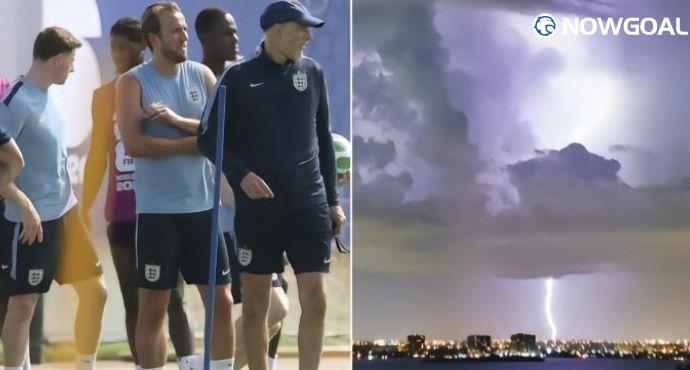
Thunderstorms and lightning could delay England’s World Cup quarter-final clash against Norway, according to weather experts cited by The Sun. The Three Lions have already arrived in South Florida to prepare for the crucial match, which will be played at Hard Rock Stadium in Miami on Saturday.
The region has recently experienced extreme weather conditions, with temperatures climbing above 35°C on Thursday and Friday, raising concerns that the weather could disrupt the highly anticipated fixture.
AccuWeather senior meteorologist Chad Merrill told The Sun that thunderstorms are “likely” to develop around the stadium before and during the match on Saturday.
“Florida is currently experiencing a sea-breeze weather pattern, with afternoon showers and thunderstorms developing from the Atlantic Ocean,” Merrill explained. “For Miami, thunderstorms during this season typically occur in the afternoon. The sea breeze brings showers and storms that move westward, occasionally producing heavy rain and strong wind gusts.”
The match is scheduled to kick off at 5pm, which could increase the risk of weather-related delays, as storms usually begin developing from around midday. Fans will be hoping that conditions around the stadium improve before the evening to ensure the game can proceed as planned.
Merrill added: “There will be some weather activity in the morning, followed by several thunderstorms across the Miami area from midday into the early afternoon. These storms in Florida can produce frequent lightning and brief periods of heavy rainfall. By late afternoon, thunderstorms are expected to move further west across the peninsula. During the period from midday to early afternoon, there is a good chance of thunderstorms and lightning near the match venue.”
The meteorologist also warned that although thunderstorms can move through quickly, the lightning threat may continue for a longer period after the storm itself has passed.
According to FIFA regulations, if lightning is detected within an 8-mile radius of the stadium, the match must be suspended for 30 minutes. England previously experienced a similar situation during their match against Mexico, which was delayed by an hour due to lightning concerns.
If lightning spreads beyond the main storm system and surrounds the stadium area, England could face further delays.
Merrill said: “When the sea breeze arrives, thunderstorms usually move at around 10 to 20 miles per hour. As these storms push inland, they can continue to develop. Even after the storm has moved away, lightning remains a threat because strikes can occur 10 to 20 miles away from the actual storm location. So although the storm may have passed, lightning danger can continue for some time. However, these storms usually move through relatively quickly.”
For fans accustomed to the milder climate of the United Kingdom or the colder conditions of Scandinavia, such intense seasonal storms may be unfamiliar.
Merrill advised supporters not to underestimate the dangers of the weather, regardless of their excitement for the match.
“The best advice is that if you are outside and hear thunder, go indoors immediately. The common saying is: ‘When thunder roars, go indoors.’ If you can hear thunder, it means lightning is close by. The safest option during a thunderstorm is to enter a solid building and move to an interior room away from windows, such as a bathroom or closet.”
“Generally, you should wait at least 30 minutes after the storm has ended before returning outside. If you are walking to the stadium and still have a long way to go, find the nearest shop or another safe place for shelter and wait until the storm passes.”
Beyond thunderstorms, high temperatures and air quality could also create challenges for supporters attending the match.
In extremely humid conditions, rising temperatures can affect the body’s ability to cool itself, meaning fans will need to stay properly hydrated.
Merrill added: “The maximum temperature will be close to 91°F (33°C), while AccuWeather’s RealFeel temperature could reach the mid-to-upper 90s°F (around 37°C).”
“Besides the heat, air quality is another factor to watch. Although sea breezes and thunderstorms are present, Florida has recently been drier than usual, leading to brush fires and wildfires. Air quality is currently at a moderate level, which could be noticeable for fans with respiratory conditions.”
“If you begin experiencing severe dizziness, chills, or stop sweating, these could be signs of heat exhaustion. This can easily happen while walking to the stadium in such conditions.”
With the weather posing a potential challenge, England and Norway’s World Cup quarter-final could face not only a battle on the pitch, but also a fight against the unpredictable Florida climate.
From:News
The Most Popular
-
 Spain and Belgium Prepare for World Cup Quarter-Final Battle
 -
 France vs Morocco Preview, Team News and Prediction
 -
 Mbappé Misses Penalty → 'Fantastic Opener'… France Beat Morocco 2-0, First to Reach the Semis
 -
 France Eye Last-Four Spot Against Morocco
 -
 Neville, Wright and Keane Criticize US President’s FIFA Intervention After Controversy
 -
 Switzerland Beat Colombia on Penalties to Reach World Cup Quarter-Finals
 Telegram
 Facebook
 X
X